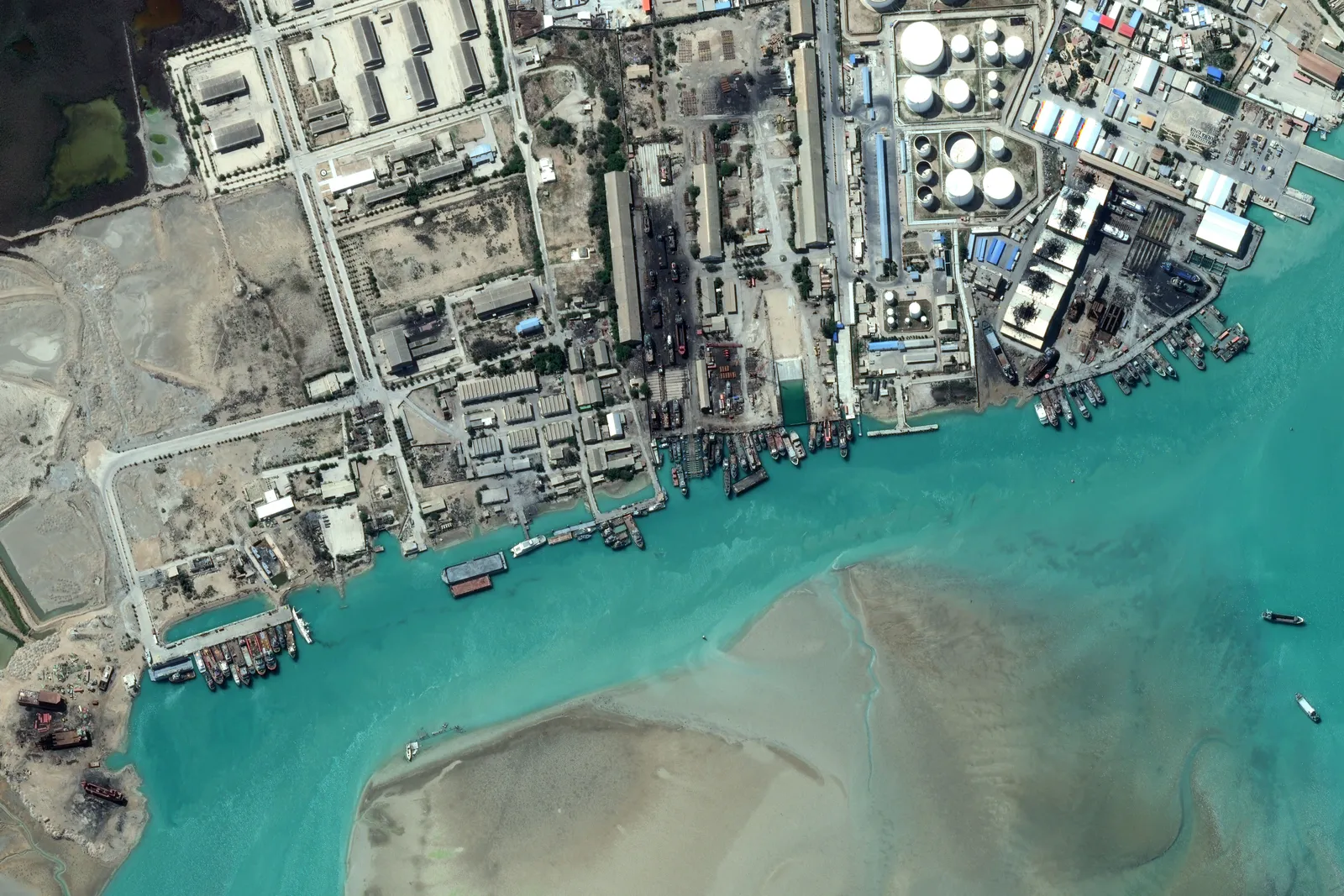
: Trump Warns Iran Blockade Could Last Months, Sending Oil Prices Soaring
Global tensions continue to rise as the United States signals a prolonged naval blockade against Iran, a move that is already shaking global energy markets and diplomatic relations.
7:51 AM – Iran’s Ghalibaf Mocks US Statement
Iran’s parliamentary speaker, Mohammad Bagher Ghalibaf, has sharply criticized recent comments from US officials, dismissing them as ineffective and misguided.
Reacting to remarks by Scott Bessent, Ghalibaf sarcastically noted that despite mounting US pressure, Iran’s oil infrastructure remains intact.
“Three days in, no well exploded. We could extend it to 30 and livestream the well here,” he said mockingly.
He further accused the US administration of relying on flawed strategies, adding:
“That was the kind of junk advice the US admin gets… The issue isn’t the theory, it’s the mindset.”
His comments reflect growing defiance from Tehran as tensions escalate.
7:25 AM – Trump Says UAE Exit from OPEC Is ‘Good’
US President Donald Trump responded positively to reports of the Organization of the Petroleum Exporting Countries facing internal shifts, including the UAE’s decision to withdraw.
Trump argued that such a move could help stabilize global fuel prices:
“Ultimately it’s a good thing for getting the price of gas and oil down.”
Analysts, however, remain divided on whether weakening OPEC’s influence will truly ease volatility or create further uncertainty in oil markets.
7:12 AM – Trump Warns Blockade Could Last Months
In a major development, President Trump has warned that the ongoing US naval blockade of Iranian ports could extend for months, intensifying pressure on Tehran.
The blockade, which Iran has demanded be lifted before any negotiations resume, is being positioned by Washington as a strategic alternative to direct military strikes.
During a meeting with oil executives, Trump emphasized that the blockade is:
- More effective than bombing
- Designed to restrict Iran’s economic activity
- Aimed at minimizing impact on US consumers
A White House official revealed that discussions focused on maintaining the blockade while managing global oil supply disruptions.
Global Reactions and Rising Risks
The situation has drawn international concern. Vladimir Putin reportedly warned Trump during a phone call about the “damaging consequences” of escalating conflict with Iran.
With diplomacy stalled and tensions simmering, oil prices have already surged to their highest levels in over four years, with analysts warning of further spikes if the standoff continues.
- Pressure on Strait of Hormuz
Moving limited oil trankers
Chain supply are in stress conditin.
Significantly shipping traffic has droppd.
most serious energy are challengesin growing disruption.in recent time.
Majour Impect On Global Economy
Transport costs rises due to rising fuel.
Fear Of inflation increase peessure on whole word.
Global ecnomic slow down.
Oil prices reaches could potentially reach $150-$190 per barrel if tensions ppersist.
What This Means
- Oil markets: Prices could climb even higher if the blockade persists
- Global trade: Disruptions in key shipping routes may intensify
- Diplomacy: Talks between the US and Iran remain frozen
- Regional stability: Risk of renewed conflict remains high
- Quick summary
Trumps warns iran blockade may last month
Surage globally oil prices.
Majour disruption face strait of hormuz.
Under pressure global economy.
. Why has the US imposed a blockade on Iran?
The United States, under Donald Trump, imposed a naval blockade to pressure Iran economically and politically. The goal is to restrict Iran’s oil exports and force negotiations without resorting to direct military conflict.
2. How long could the Iran blockade last?
Trump has warned that the blockade could continue for several months, depending on how the situation develops and whether Iran agrees to diplomatic terms.
3. Why are oil prices rising the blockade?
Iran is a key oil producer, and limiting its exports reduces global supply. This supply shock has pushed oil prices higher, with fears they could rise even further if tensions escalate.
4. How has Iran responded to the US blockade?
Iranian officials, including Mohammad Bagher Ghalibaf, have mocked US claims and rejected the pressure, stating that their infrastructure remains intact and criticizing US strategy.
5. What are the global risks of this situation?
The blockade could lead to:
- Higher fuel prices worldwide
- Disruption in global trade routes
- Increased risk of military escalation
- Strained diplomatic relations between major powers
6. What role is Russia playing in this crisis?
Vladimir Putin has warned the US about “serious consequences” if tensions escalate further, urging caution and diplomacy.