
Iran Rejects US Talks Under Pressure as Ceasefire Tensions Rise in Middle East
Introduction: A Fragile Truce on the Brink
Tensions between Iran and the United States are once again escalating, despite a temporary ceasefire meant to calm the region. Fresh disagreements over naval blockades, nuclear demands, and alleged violations have put upcoming peace talks at risk.
With global energy routes like the Strait of Hormuz under threat, the stakes are not just regional—they are worldwide.
Iran Refuses Negotiations Under Threat
Iran has made its position clear: it will not engage in negotiations under pressure.
Top negotiator Mohammad Baqer Ghalibaf accused Donald Trump of using military and economic pressure tactics to force Tehran into submission.
According to him, turning talks into a “surrender table” is unacceptable, especially while blockades and military actions continue.
US-Iran Ceasefire: Timeline and Uncertainty
The two-week ceasefire, announced on April 7, is rapidly approaching its end.
- Expected expiry: Late Wednesday (US time)
- No confirmation of extension from Washington
- Trump hinted it is “highly unlikely” to continue
This uncertainty is fueling fears that the region could slide back into open conflict.
Pakistan’s Role as a Key Mediator
Pakistan is playing a central diplomatic role, hosting potential talks in Islamabad.
- Around 20,000 security personnel deployed
- High-level diplomatic preparations underway
- Talks remain uncertain due to Iran’s hesitation
Pakistan is attempting to bridge the gap, particularly by pushing for an end to the US blockade.
US Blockade vs Iran’s Strategic Leverage
A major sticking point remains the naval blockade:
US Position
- Claims Iran violated the ceasefire
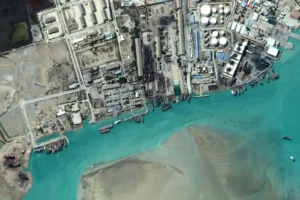
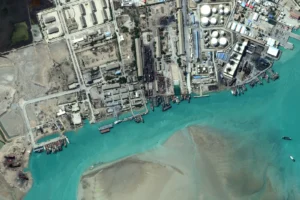
- Enforced blockade on Iranian ports
- Seized vessel suspected of carrying “dual-use” materials
Iran’s Response
- Calls blockade illegal under international law
- Temporarily blocked and reopened the Strait of Hormuz
- Warns of escalation if pressure continues
This waterway handles nearly 20% of global oil supply, making it a critical pressure point.
Seized Ship Dispute Escalates Tensions
The seizure of the Iranian ship Touska has intensified the conflict.
- US claims: Vessel carried materials with possible military use
- Iran claims: Illegal attack and violation of ceasefire
- Tehran demands immediate release of ship and crew
This incident could become a major obstacle to restarting negotiations.
Iran’s Core Demands in Talks
Iran is expected to push for:
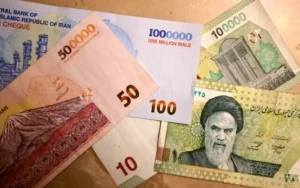
- Relief from long-standing economic sanctions
- Guarantees against renewed military action
- Flexibility in its nuclear program
- Recognition of its control over strategic waterways
These demands reflect both economic pressure and geopolitical strategy.
Trump’s Hardline Approach
Donald Trump has taken a firm stance:
- Insists blockade will continue until a deal is reached
- Claims pressure is “destroying” Iran’s economy
- Warns of renewed military action if talks fail
He also suggested that any new deal would surpass the 2015 nuclear agreement brokered under Barack Obama.
Iran’s Leadership Signals Resistance
Iranian leadership has responded strongly:
- Masoud Pezeshkian rejected “contradictory signals” from the US
- Foreign Minister Abbas Araghchi emphasized caution
- Officials stress that Iran “will not submit to force”
Despite this, Tehran is reportedly “positively reviewing” participation in talks.
Regional Developments Add Complexity
Israel-Lebanon Talks
Israel and Lebanon are set for a second round of talks in Washington, D.C., adding another diplomatic layer to the crisis.
Gulf Security Concerns
- Kuwait and Egypt condemned a foiled terrorist plot in the United Arab Emirates
- Regional governments remain on high alert
Nuclear Issue Remains a Major Barrier
The US continues to push for strict limits on Iran’s nuclear program.
Trump claimed:
- Iran’s enriched uranium stockpile could be transferred to the US
- Negotiations over nuclear material will be “long and difficult”
Iran, however, denies such proposals and sees them as unrealistic.
What Happens If Talks Fail?
If no agreement is reached:
- Ceasefire may collapse
- Naval clashes could intensify
- Oil markets may face major disruptions
- Regional conflict could widen further
Trump warned that failure could lead to “lots of bombs going off,” underscoring the high stakes.
Conclusion: A Critical Moment for Diplomacy
The coming days will be decisive. With rising tensions, conflicting narratives, and fragile diplomacy, the possibility of peace hangs in the balance.
Whether talks proceed in Islamabad or collapse under pressure, the outcome will shape not only Middle East stability but also global economic security.
Iran nuclear deal tensions,
Iran refuses US negotiations under pressure as ceasefire tensions rise. Pakistan prepares for crucial talks amid Strait of Hormuz crisis and escalating Middle East conflict.
.
.