Iran Warns of Hormuz Shipping Problems as Middle East Ceasefire Reaches Day 33
Iran Raises Concerns Over Strait of Hormuz Transit
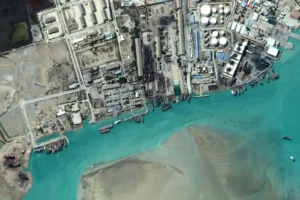
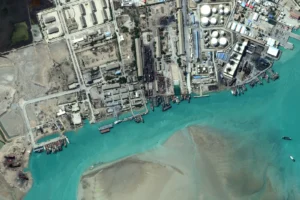
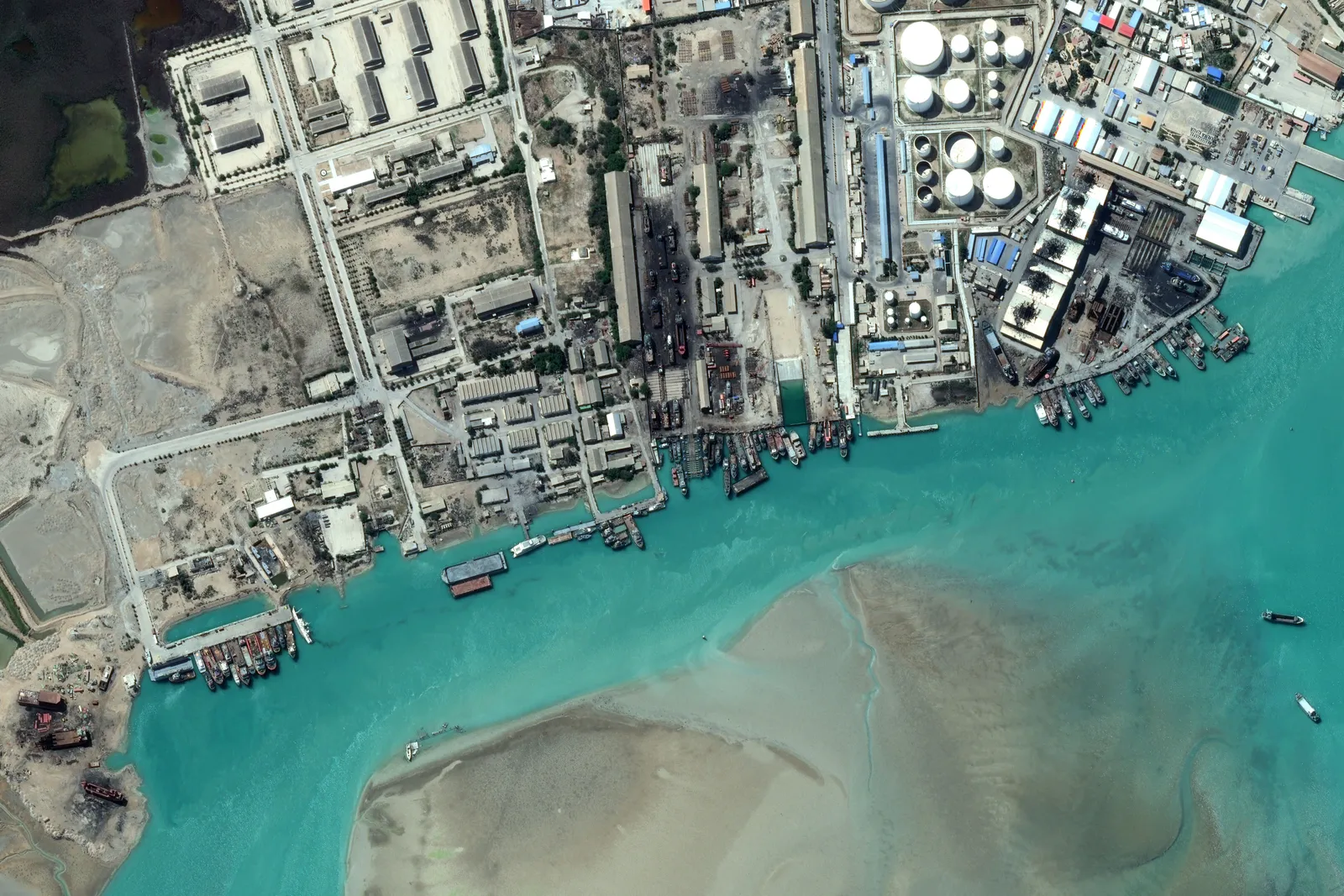
Tensions in the Middle East continue to create uncertainty despite a ceasefire that has now entered its 33rd day. Iran has issued a fresh warning to countries backing US sanctions, saying they could face challenges while passing through the Strait of Hormuz — one of the world’s busiest and most important shipping routes.
The warning comes at a time when the region is still dealing with security concerns, shipping risks, and economic pressure caused by months of instability.
Iran’s Warning Over Hormuz Transit
Iranian military spokesman Mohammad Akraminia said countries supporting sanctions against Tehran may encounter difficulties when moving through the Strait of Hormuz.
Although Iran did not explain what measures could be taken, the statement has raised concerns globally because the waterway plays a major role in transporting oil and gas to international markets.
Iran says it has the right to monitor and control activity in the area under international maritime rules.
Why the Strait of Hormuz Is Important
The Strait of Hormuz is considered one of the world’s most strategic waterways because:
- A large share of global oil shipments pass through it.
- Gulf countries depend on it for exports.
- Any disruption can quickly affect fuel prices around the world.
Even minor security incidents in the area can trigger concerns in global markets.
Cargo Ship Hit Near Qatar
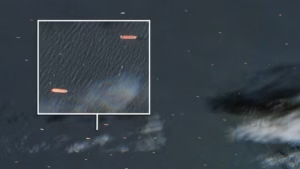
Adding to the tension, a cargo vessel sailing near Qatar was reportedly struck by an unknown object.
The ship was travelling northeast of Doha when the incident happened. According to maritime officials, a small fire broke out onboard but was quickly controlled.
Thankfully:
- No crew members were injured.
- No environmental damage was reported.
- Investigations into the incident are ongoing.
Authorities have advised ships in nearby waters to remain alert.
Qatar LNG Shipment Moves Through Hormuz
Despite rising concerns, a tanker carrying liquefied natural gas (LNG) from Qatar successfully travelled through the Strait of Hormuz.
The vessel reportedly left Qatar’s Ras Laffan export facility and continued toward the Gulf of Oman, with Pakistan listed as its next destination.
The successful transit may reassure energy markets that exports are still moving despite ongoing uncertainty.
Ceasefire Holds, But Violence Has Not Fully Stopped
While the ceasefire between regional groups has now entered its 33rd day, violence has not completely disappeared.
Gaza Still Facing Strikes
Reports suggest Israeli military operations continued in parts of Gaza, with damaged homes and civilians still suffering from the impact of previous attacks.
Lebanon Also Under Pressure
Southern Lebanon witnessed fresh airstrikes, with reports of casualties despite an active ceasefire agreement involving Hezbollah.
This shows that although fighting has reduced compared to earlier weeks, peace in the region remains fragile.
War Continues to Affect Global Economies
The regional conflict is also having economic effects far beyond the Middle East.
Oil Companies See Higher Profits
Saudi oil giant Aramco reported a strong rise in profits during the first quarter of 2026, helped by higher oil prices and increased energy demand.
Shipping Routes Are Changing
The Panama Canal has reportedly seen more ship traffic as companies look for alternative trade routes due to uncertainty in Gulf waters.
Energy Costs Rising Elsewhere
Countries such as Sri Lanka have already announced higher electricity prices as fuel costs continue to rise.
What This Means Globally
Iran’s latest warning has once again put attention on the Strait of Hormuz. Any disruption in this key route could impact fuel supplies, shipping costs, and global markets.
Although the ceasefire has reduced major fighting, incidents at sea and continuing military strikes suggest the situation remains sensitive and unpredictable.
1. What did Iran say about the Strait of Hormuz?
Iran warned that countries supporting US sanctions could face transit difficulties while using the Strait of Hormuz.
2. Why is the Strait of Hormuz so important?
It is one of the world’s busiest oil shipping routes and is essential for transporting energy supplies globally.
3. Was a ship attacked near Qatar?
Yes, a bulk carrier near Doha was reportedly hit by an unknown projectile, though no injuries were reported.
4. Is the Middle East ceasefire still active?
Yes, the ceasefire has entered Day 33, but occasional violence and military strikes continue in some areas.
5. How could this affect global fuel prices?
Any disruption in the Strait of Hormuz could increase oil prices and lead to higher transport and energy costs worldwide.
Iran sanction
Iran Hormuz warning, Strait of Hormuz latest news, Iran sanctions update, Qatar ship incident, Middle East ceasefire 2026, Gaza conflict latest, Lebanon airstrike news, oil prices Middle East tensions, global shipping disruption, Hormuz Strait crisis
Meta Description
Iran warns countries supporting US sanctions may face Strait of Hormuz transit difficulties as the Middle East ceasefire reaches Day 33.