Introduction: A Turning Point in a Tense Conflict
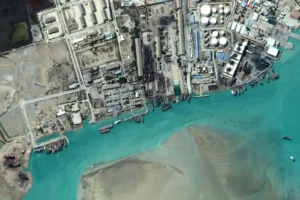
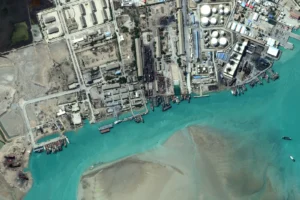
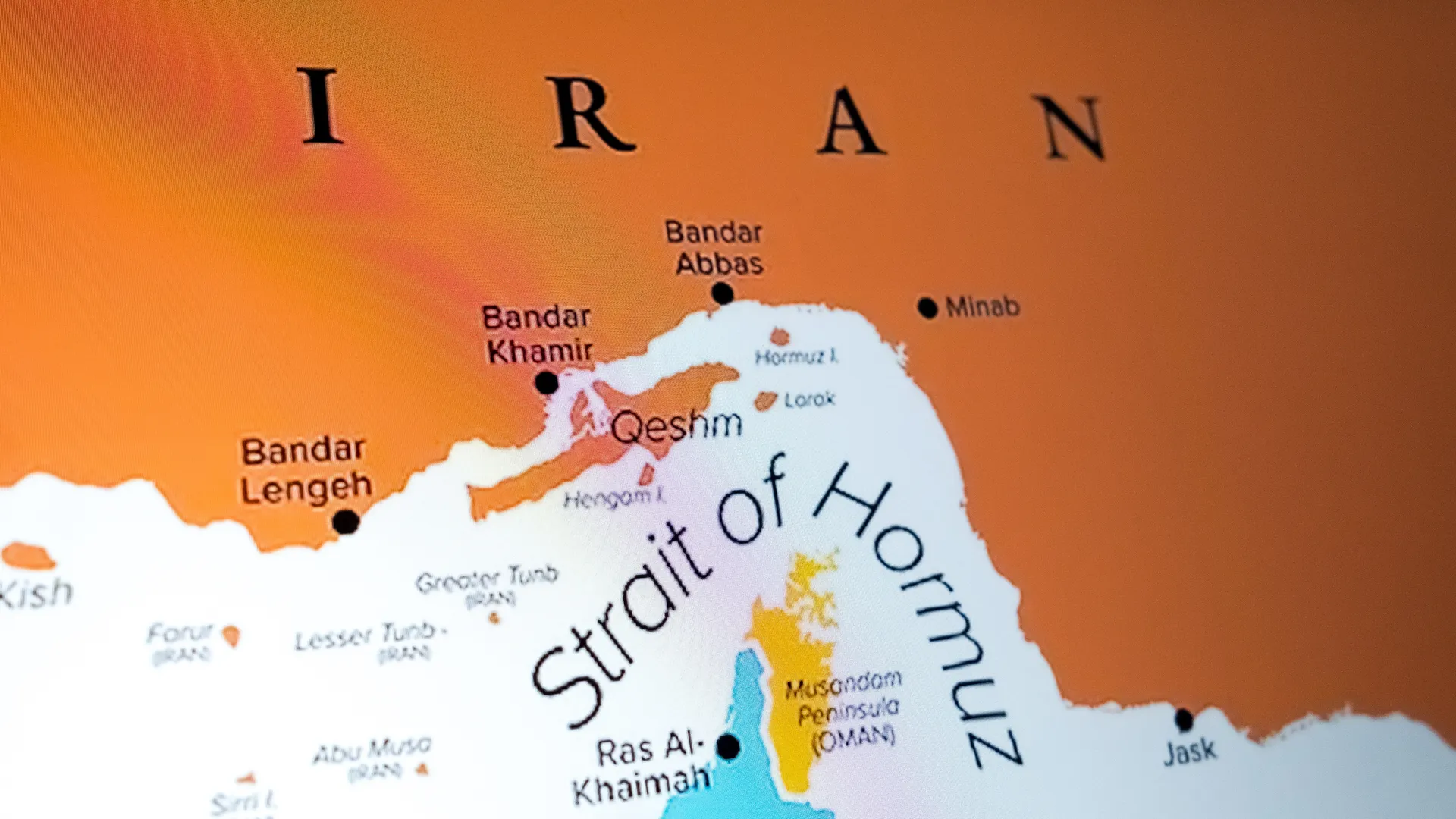
After days of rising global tension, there’s finally a moment of relief. The Strait of Hormuz, one of the world’s most critical oil routes, has been declared “completely open” by Iran during an ongoing ceasefire with the United States.
This development comes at a time when the region has been on edge, with fears of disrupted oil supplies, military escalation, and economic instability. Now, with ships moving again and oil prices dropping, many are asking: Is this the beginning of lasting peace—or just a temporary pause?
What Happened: Hormuz Reopens for Global Shipping
Iran Announces Safe Passage
Iran’s Foreign Minister confirmed that the Strait of Hormuz will remain open for commercial vessels throughout the ceasefire period. This is a major shift, considering earlier fears that the route could be blocked.
Why This Matters
The Strait of Hormuz is not just any waterway—it handles a significant portion of the world’s oil supply. Even a short disruption can impact global markets.
Example:
When the strait faced uncertainty, oil prices surged. As soon as reopening was announced, prices dropped sharply—showing how sensitive global markets are to this route.
Trump’s Response: Optimism Mixed with Pressure
“It Will Never Be Closed Again”
Former US President Donald Trump welcomed Iran’s decision, stating that the strait would remain open permanently. He also claimed that a peace deal between the US and Iran is “very close.”
But the Blockade Continues
Despite the positive tone, the US naval blockade on Iranian ports remains in place. This shows that while diplomacy is progressing, pressure tactics are still being used.
Ceasefire Expands: Israel and Lebanon Pause Fighting
A Fragile Peace on Multiple Fronts
At the same time, a ceasefire between Israel and Lebanon has brought temporary calm to another hotspot in the region.
- Some Lebanese families have started returning home
- However, authorities warn it may still be unsafe
Reality on the Ground
Tragic stories continue to emerge. In one heartbreaking case, a man in southern Lebanon lost 13 family members just before the ceasefire began.
This highlights a harsh truth: even when fighting stops, the human cost remains.
Global Reactions: Cautious Optimism
Middle East and World Leaders Respond
Countries like Saudi Arabia and the UAE have welcomed the reopening of Hormuz and ongoing ceasefires. At the same time, European nations are discussing ways to ensure safe navigation in the region.
Concerns Still Remain
- Iran warns it may respond if the US blockade continues
- Negotiations over nuclear issues are still unresolved
- The ceasefire could collapse if terms are not respected
Economic Impact: Oil Prices Drop, Markets Stabilize
Immediate Market Reaction
The reopening of the strait had a direct effect:
- Oil prices dropped by up to 9–11% in a single day
- Shipping activity resumed quickly
Why It Matters for Everyday People
Lower oil prices can eventually lead to:
- Reduced fuel costs
- Lower transportation expenses
- More stable economies worldwide
Is a Peace Deal Really Close?
Progress—but Not Final Yet
While Trump says there are “no sticking points,” Iranian officials disagree. They emphasize that:
- Key differences still exist
- Nuclear negotiations are unresolved
- More talks are needed
Possible Next Steps
- Extension of the ceasefire
- Mediation efforts (including Pakistan’s involvement)
- Gradual easing of sanctions if agreements are reached
Iran Confirms Strait of Hormuz is Open
Shipping Activity Resumes
Iran’s Foreign Minister announced that the Strait of Hormuz will remain “completely open” for commercial vessels during the remaining ceasefire period.
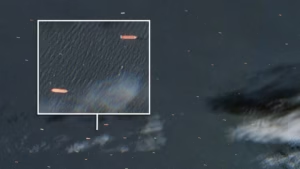
Following this statement, shipping data showed multiple vessels moving through the strait, indicating a gradual return to normal operations.
Why the Strait Matters Globally
The Strait of Hormuz connects the Arabian Gulf to the open ocean and is a major route for global oil transport.
Example:
When tensions rise in this area, oil prices often increase quickly. When access improves, prices tend to fall—affecting economies worldwide.
US Response: Support for Opening, But Pressure Continues
Trump Welcomes the Decision
US President Donald Trump praised Iran’s announcement and said a broader peace agreement could be close. He also expressed confidence that the strait would remain open.
Naval Blockade Still in Place
Despite the positive tone, the US confirmed that its naval blockade on Iranian ports will continue until a formal agreement is reached.
This shows that while diplomatic progress is being made, military pressure has not been lifted.
Ceasefire Expands to Israel–Lebanon Conflict
Temporary Pause in Fighting
Alongside the US–Iran ceasefire, a separate truce between Israel and Lebanon has also taken effect.
Some displaced civilians in southern Lebanon have started preparing to return home, although authorities have warned that conditions may still be unsafe.
Human Cost Remains High
Just before the ceasefire began, an airstrike in southern Lebanon reportedly killed multiple members of a single family.
This underscores the ongoing humanitarian impact of the conflict, even during periods of reduced fighting.
Ongoing Challenges in US–Iran Negotiations
Key Issues Still Unresolved
Despite optimism from the US side, Iranian officials have stated that:
- No final agreement has been reached
- Differences remain over nuclear-related issues
- Further negotiations are required
Iran has also made it clear that keeping the strait open depends on both sides respecting the ceasefire.
Regional and Global Reactions
Support for Stability
Countries in the Middle East, including Gulf nations, have welcomed the reopening of the strait and the ceasefires.
European leaders have also discussed plans to ensure safe navigation in the region.
Warnings of Fragility
At the same time, officials warn that:
- The situation remains unstable
- Any violation of the ceasefire could escalate tensions again
Conclusion: Hope, But With Caution
The reopening of the Strait of Hormuz is a powerful signal that diplomacy may be working. It has eased global fears, stabilized oil markets, and given people in conflict zones a brief moment of relief.
But this is not the end of the story. The situation remains fragile, with ongoing military pressure, unresolved political issues, and deep mistrust between key players.
In simple terms:
This is progress—but not peace yet.
The coming days will be critical. If negotiations succeed, this moment could mark the beginning of long-term stability. If not, tensions could rise again just as quickly.