Overview of the Escalating US-Iran Conflict
Tensions between the United States and Iran have sharply intensified following the announcement of a naval blockade in the Strait of Hormuz. Former US President Donald Trump warned that any Iranian vessel approaching the restricted zone would face military action, signaling a dangerous escalation in the already volatile situation.
Iran has strongly condemned the blockade, calling it a serious violation of its sovereignty and international law.
Iran Condemns Blockade as Sovereignty Violation
Tehran has labeled the US-led blockade as an unlawful act, arguing that it restricts free movement in one of the world’s most critical oil transit routes. Officials insist that such actions threaten global trade stability and could provoke wider conflict.
Nuclear Negotiations: 5-Year vs 20-Year Proposal
Diplomatic tensions remain high as Iran proposes a 5-year suspension of its nuclear activities, while the United States demands a much longer 20-year halt. This major gap highlights the ongoing mistrust between the two nations and complicates peace negotiations.
Global Leaders Push for Diplomacy and De-escalation
World leaders are stepping in to prevent further escalation:
- Pakistan’s Prime Minister Shehbaz Sharif emphasized efforts to maintain the ceasefire.
- Russia’s Foreign Minister Sergei Lavrov engaged in talks with Iranian officials.
- Qatar urged both sides to avoid using maritime routes as leverage.
- France’s President Emmanuel Macron proposed a defensive multinational mission to secure the Strait of Hormuz.
- UN Secretary-General Antonio Guterres called for freedom of navigation and warned about thousands of stranded mariners.
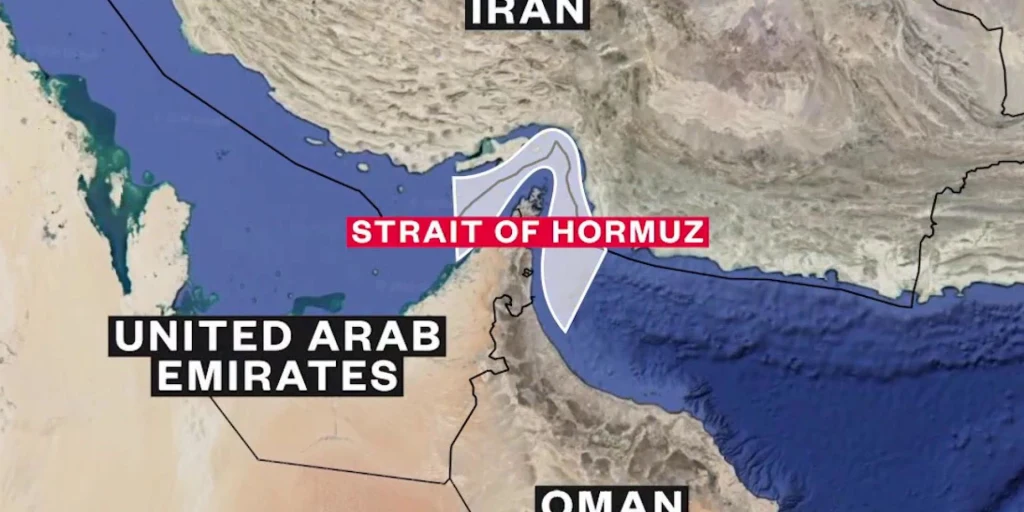
Strait of Hormuz: A Critical Global Chokepoint
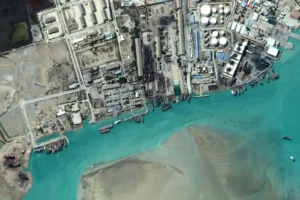
The Strait of Hormuz remains central to the crisis. Any disruption here directly impacts global oil supply chains, making the situation a major concern for economies worldwide.
Oil Markets React as Prices Surge
The geopolitical crisis has already triggered a sharp rise in oil prices:
- Iranian oil exports continue despite conflict, with revenues being redirected toward reconstruction.
- Global supply disruptions have pushed fuel costs significantly higher.
Airlines Struggle with Rising Fuel Costs
Australian carrier Qantas has revised its fuel cost projections upward:
- Jet fuel prices have more than doubled
- Estimated fuel expenses increased to over $3 billion
- Share buyback plans have been delayed
This reflects how quickly geopolitical instability affects global industries.
Sanctioned Tankers Still Navigate the Strait
Despite the blockade, some vessels continue to pass through the Strait of Hormuz:
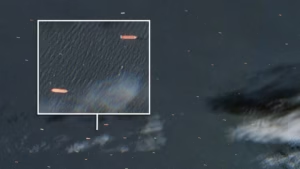
- A Chinese tanker carrying methanol successfully crossed
- Additional sanctioned ships are expected to follow
This raises questions about enforcement and the effectiveness of the blockade.
Iran Plans Reconstruction Using Oil Revenue
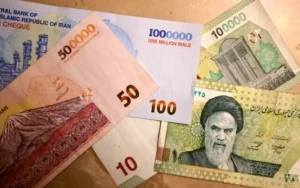
Iran’s oil minister confirmed that part of recent oil earnings will be used to repair infrastructure damaged during attacks. Despite the conflict, oil exports have remained uninterrupted.
Public Protests Erupt in the United States
In New York City, protests have intensified:
- Demonstrators demanded an end to US military involvement
- Several arrests were reported
- Protesters voiced opposition to strikes in Iran, Lebanon, and Gaza
Israel-Lebanon Talks Add Another Layer of Complexity
Diplomatic talks between Israeli and Lebanese officials are taking place in Washington:
- Lebanon is focused on achieving a ceasefire
- Israel aims to disarm Hezbollah
- Significant disagreements remain between both sides
Mental Health Impact During Ceasefire
Experts highlight the “let-down effect”:
- People may feel worse after stress subsides
- Symptoms include fatigue, anxiety, and low mood
- Recovery from prolonged stress takes time
Economic Behavior Shifts During Conflict
In regions like the UAE, residents are adapting financially:
- Increased savings during uncertainty
- Shift toward safer investment options such as bonds
Ceasefire Holds, But Uncertainty Remains
Although a ceasefire is technically in place, tensions remain fragile. Both sides continue to exchange strong rhetoric, and the risk of escalation persists.
What Happens Next?
The situation hinges on several key factors:
- Progress in nuclear negotiations
- International diplomatic pressure
- Stability in oil markets
- Military restraint from both sides
Conclusion: A Delicate Balance Between War and Peace
The US-Iran crisis is at a critical juncture. While global leaders push for diplomacy, rising tensions, economic impacts, and military threats continue to create uncertainty. The coming days will be crucial in determining whether the region moves toward peace—or deeper conflict.
FAQs
1. Why is the Strait of Hormuz so important?
It is one of the world’s most vital oil shipping routes, handling a large portion of global energy supplies.
2. What triggered the current US-Iran tensions?
The crisis escalated after the US imposed a naval blockade and issued military warnings to Iran.
3. What are the nuclear negotiation demands?
Iran has proposed a 5-year pause, while the US is pushing for a 20-year suspension.
4. How is the global economy affected?
Oil prices and fuel costs have surged, impacting industries like aviation and transportation.
5. Are diplomatic efforts working?
Talks are ongoing, but major disagreements remain, making a resolution uncertain.