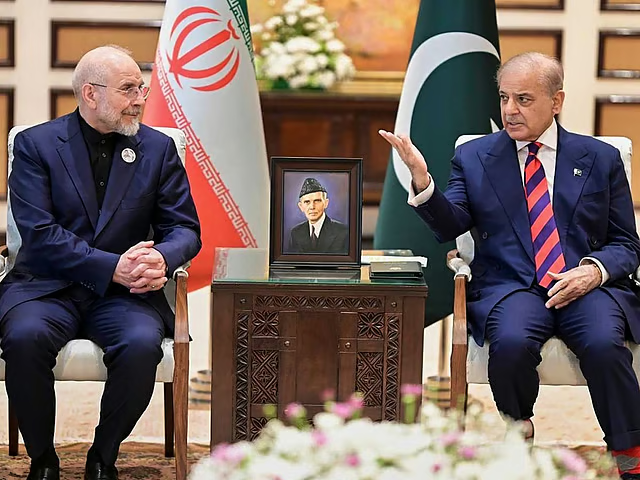
Delegations from United States and Iran have arrived in Pakistan to begin crucial negotiations aimed at stabilizing the Middle East. The talks, hosted in Islamabad, come at a time of fragile ceasefire conditions and escalating regional uncertainty.
US Vice President JD Vance landed in Pakistan and was received by senior officials, including Prime Minister Shehbaz Sharif. The American delegation also includes envoy Steve Witkoff and advisor Jared Kushner.
Talks Begin Amid Fragile Ceasefire
Iranian media confirmed that negotiations officially began following preliminary progress and a temporary reduction in Israeli strikes in Lebanon. However, the structure and outcomes of these discussions remain unclear.
Pakistan is playing a central mediating role, with additional diplomatic support from regional powers including Saudi Arabia, Qatar, Egypt, and China.
Iran’s Key Demands and Red Lines
Iran has outlined several non-negotiable conditions for any agreement. These include:
- A lasting ceasefire in Lebanon
- Compensation for damages caused by US-Israeli strikes
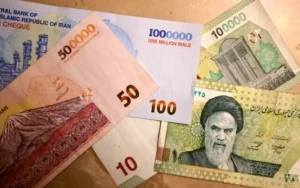
- Release of frozen Iranian financial assets
- Reopening of the Strait of Hormuz
Iranian officials emphasized that diplomacy is part of a broader strategic struggle, reflecting deep mistrust toward Washington.
US Strategic Pressure
US President Donald Trump warned that military action could resume if negotiations fail. At the same time, he highlighted potential economic benefits for the US due to rising global energy demand caused by disruptions in the Strait of Hormuz.
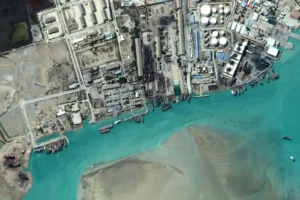
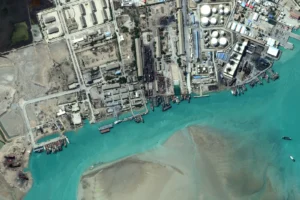
The closure of this critical oil route—responsible for nearly 20% of global oil shipments—has already driven up energy prices and raised global economic concerns.
Regional Conflict Complicates Peace Efforts
Ongoing violence continues to overshadow diplomatic progress. Israeli strikes in southern Lebanon have resulted in civilian casualties, including emergency workers, further complicating ceasefire efforts.
Meanwhile, incidents such as drone attacks in Iraq and heightened military readiness across Gulf nations underline the volatility of the situation.
Pakistan’s Role as Mediator
Prime Minister Shehbaz Sharif expressed optimism that these talks could lead to long-term regional stability. Pakistan has reiterated its commitment to facilitating dialogue and ensuring constructive engagement between both sides.
The presence of multiple international stakeholders in Islamabad reflects the global importance of these negotiations.
FAQs
1. Why are US and Iran holding talks in Pakistan?
Pakistan is acting as a neutral mediator, providing a platform for both countries to negotiate a ceasefire and reduce regional tensions.
2. What are Iran’s main demands in the talks?
Iran is seeking a Lebanon ceasefire, financial compensation, release of frozen assets, and reopening of the Strait of Hormuz.
3. Who is leading the US delegation?
The US delegation is led by Vice President JD Vance, along with key envoys and advisors.
4. How is the Strait of Hormuz affecting the situation?
Its closure has disrupted global oil supplies, increased prices, and added pressure on negotiations.